



The evolution of modern agroindustry has been shaped by the adoption of high-performance materials that optimize production processes and reduce operational risks. For this reason, nylon twine has become an essential technical solution for tying, support, and load management in intensive cropping systems. More than an auxiliary input, this type of cordage represents a strategic tool that directly impacts plant health, productivity, and agricultural profitability.
Unlike traditional cordage made from natural fibers or conventional polymers, nylon twine meets the mechanical and environmental demands of contemporary agriculture. Its widespread use, particularly in trellising and vertical support systems, reflects a shift toward more efficient, durable, and safer cultivation practices.
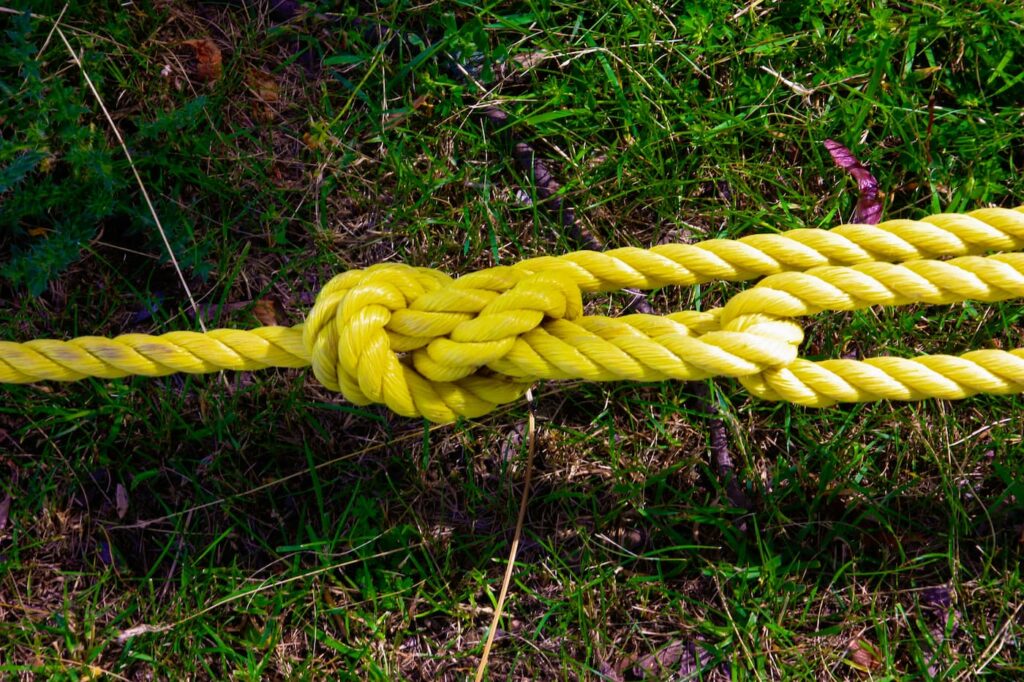
What Makes Nylon Twine Especially Suitable for Agriculture?
Nylon twine is made from a synthetic material designed to be strong, flexible, and long-lasting. Unlike other types of twine, it can stretch slightly without breaking, withstand heat, and maintain its shape even when subjected to constant load or changing weather conditions. These properties make it ideal for agricultural work, where plants grow, increase in weight over time, and are exposed to sun, wind, and rain.
In agroindustrial applications, two main types of nylon twine are commonly used: Nylon 6 (PA6) and Nylon 66 (PA66). Both perform exceptionally well, but Nylon 66 stands out for its higher strength, lower moisture absorption, and greater resistance to high temperatures. For this reason, it is often recommended for regions with intense sunlight or high heat. Selecting the right type of nylon twine ensures that plants remain properly supported throughout their growth cycle, without the material weakening or failing prematurely.
Specialized manufacturers of nylon twine, such as Polyproductos de Guatemala, use twisted monofilaments in the production of agricultural twine, a technique that improves impact absorption and prevents permanent deformation caused by wind gusts or sudden increases in load.
Uses of Nylon Twine in Agroindustrial Projects
The most common use of nylon twine is within trellising systems for crops such as tomatoes, peppers, cucumbers, and other indeterminate-growth vegetables. By keeping plants upright, nylon twine promotes better sun exposure, improves airflow, and reduces fruit contact with the soil, thereby lowering the incidence of fungal and bacterial diseases.
One of the most significant advantages of nylon twine is its smooth, silk-like texture, which prevents micro-abrasions on plant stems. These small injuries can become entry points for pathogens. The smooth surface of nylon protects plant physiology and contributes to a healthier, more stable production cycle.
In addition, nylon twine improves field-level operational efficiency. Its pliability allows for secure knots that do not slip, streamlining tasks such as pruning, agrochemical application, and harvesting without compromising crop structure.
How Does Nylon Twine Compare to Other Types of Cordage?
When compared to polypropylene twine, the advantages of nylon are clear. Nylon offers superior elasticity, capable of stretching up to 30% without breaking, allowing it to absorb impacts and tension caused by fruit growth or adverse weather conditions. Polypropylene, by contrast, tends to become brittle over time and is more prone to sudden failure.
When compared to natural fibers such as sisal, jute, or cotton, the benefits are even more pronounced. These fibers absorb large amounts of moisture, promoting mold growth and rot. Nylon twine, on the other hand, is resistant to water, mold, and most fertilizers and agrochemicals used in intensive agriculture, maintaining its performance throughout the entire crop cycle.
Durability, Sustainability, and Logistics of Nylon Twine in Agricultural Projects
The long service life of nylon twine also has direct sustainability implications. A material that does not require frequent replacement reduces plastic waste generation and optimizes resource consumption per cultivated hectare. The incorporation of UV stabilizers in specialized twines, such as those developed by Polyproductos de Guatemala, further extends durability in both open-field and greenhouse conditions.
Additionally, the availability of nylon twine in different gauges and packaging formats simplifies internal logistics for agroindustrial farms and large-scale production centers.
Polyproductos de Guatemala’s Nylon Twine Is an Efficient Solution for Modern Agriculture
Nylon twine represents the convergence of material engineering and real-world agricultural needs. Its strength, elasticity, smoothness, and chemical stability make it a key ally for agricultural systems seeking to maximize yields without compromising crop health or operational efficiency.
In a world where every technical decision impacts productivity, investing in specialized solutions such as Polyproductos de Guatemala’s nylon twine is a strategic choice for modern agroindustry, supporting safer, more efficient, and more profitable production cycles.