


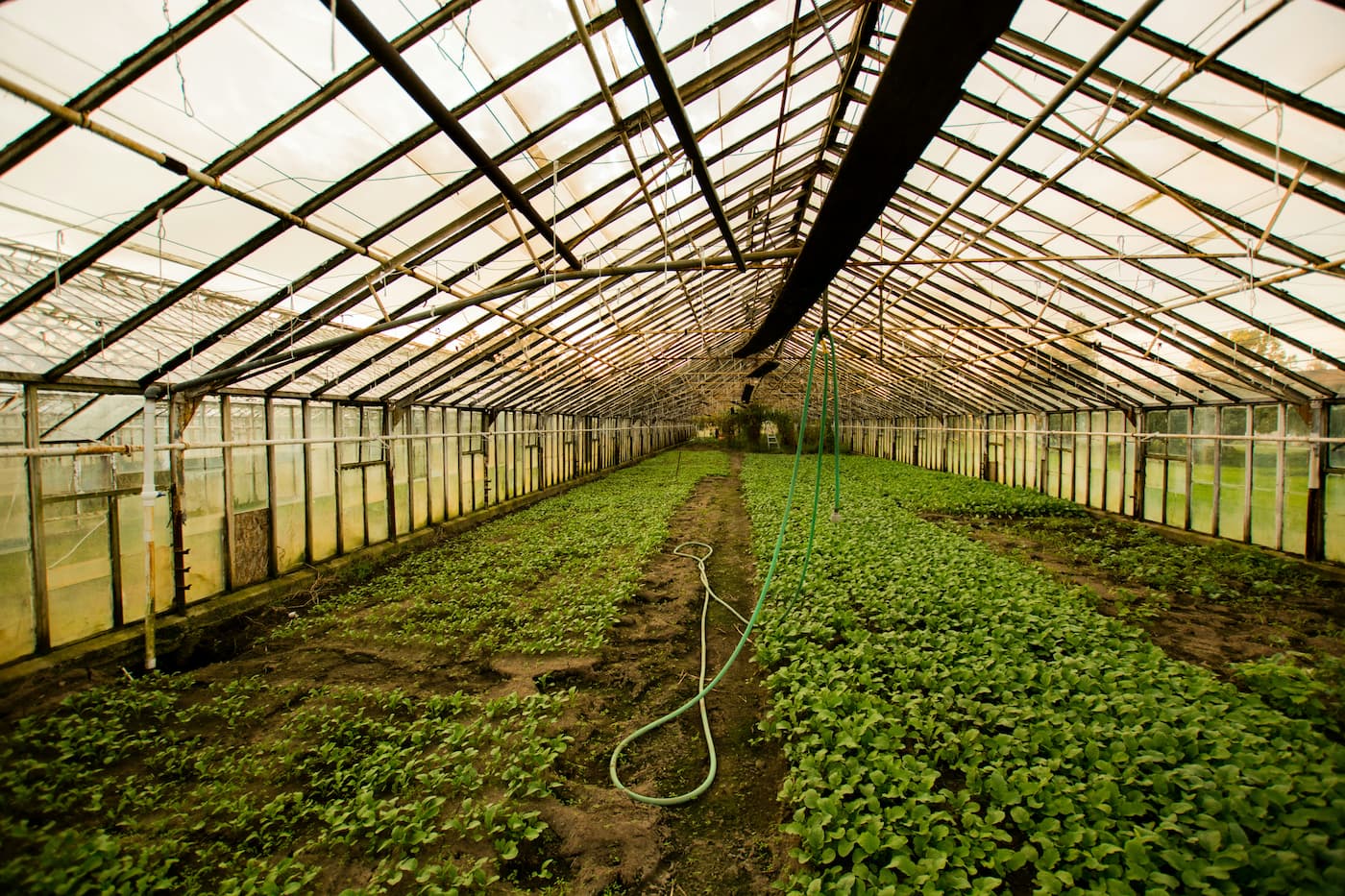
Anti-virus mesh has become an indispensable phytosanitary tool for protected horticulture in regions such as Guatemala and Nicaragua, where pest pressure intensifies during the rainy season. These meshes function as physical barriers designed to prevent the entry of virus-vector insects, contributing to phytosanitary sustainability and production stability. However, their effectiveness depends not only on material quality, but also on proper selection, installation, and management within the production system.
Choosing the wrong mesh for the target pest
One of the most common mistakes is selecting anti-virus mesh without considering the specific insect to be excluded. Fabric density, measured in mesh (number of threads per inch), must be directly related to the size of the vector insect. There is a widespread misconception that a tighter mesh always provides better protection, when in reality an inappropriate choice can render the investment ineffective.
For example, a 40-mesh screen may be sufficient for aphids or whiteflies, but it is ineffective against thrips, whose extremely slender morphology allows them to pass through pores larger than 192 microns. Incorrect use of this type of mesh in sensitive crops such as tomatoes or peppers facilitates the entry of virus vectors, defeating the purpose of the system. Specialized manufacturers such as Polyproductos de Guatemala emphasize that while polypropylene provides mechanical strength, pore size accuracy is the decisive factor in effective exclusion.
Underestimating the impact of the mesh on ventilation and microclimate
Installing anti-virus mesh significantly alters airflow dynamics inside the greenhouse. The higher the fabric density, the lower the porosity and the greater the resistance to air movement. A common mistake is failing to compensate for this reduction in ventilation, leading to critical increases in temperature and relative humidity.
Technical reports show that meshes of 50 mesh or higher can reduce airflow by up to 50%, causing heat buildup, stagnant air, and nighttime condensation. These conditions favor fungal diseases such as Botrytis and negatively affect crop physiology, resulting in thermal stress, calcium deficiencies, and yield reduction. Ignoring this effect turns anti-virus mesh into an agronomic risk factor rather than a solution.
Installation failures that compromise effective exclusion
Pest exclusion is a binary system, it only works if the barrier is completely airtight. A single hole or poor seal is enough to allow the entry of a founding insect population. Common errors include improvised fastenings with nails or staples, improper tensioning, and failure to protect the mesh from sharp structural edges.
A poorly tensioned mesh can flap in the wind and wear prematurely, while excessive tension distorts the pores and allows insects to pass through. Bottom sealing is also critical; leaving the mesh loose at ground level facilitates the entry of crawling pests and rodents. Professional installation systems recommended in technical guidelines distribute tension evenly and significantly extend the service life of the material.
Uncontrolled access points and lack of airlocks
Another structural mistake is failing to treat access points as critical biosecurity zones. The absence of airlocks or double-door systems allows air currents to carry insects inside every time personnel enter the greenhouse. This is one of the most frequent contamination pathways in structures that appear to be well sealed.
Anti-virus mesh must be integrated into personnel management protocols, airflow control, and proper access design to maintain long-term exclusion effectiveness.
Chemical degradation and cleaning errors
Polypropylene meshes incorporate UV stabilizers that can be neutralized by contaminants such as sulfur, chlorine, or oxidizing pesticides. Sulfur applications inside the greenhouse, without accounting for drift onto the mesh, can reduce its lifespan from five years to less than one.
Additional damage comes from improper cleaning practices, such as using pressure washers or aggressive detergents, which alter the geometry of the fabric. Cleaning should be performed with cold or lukewarm water and neutral-pH detergents, following preventive maintenance protocols described by specialized manufacturers such as Specialty Textile Industries.
Failing to integrate anti-virus mesh into phytosanitary management
Finally, a strategic mistake is assuming that anti-virus mesh completely replaces integrated pest management. The mesh is a physical barrier, not a sterilizer. Internal monitoring, biological control, tool disinfection, and perimeter management remain essential practices.
Allowing weeds to grow in contact with the exterior of the mesh facilitates vector survival and increases the risk of crop entry. Maintaining clean buffer zones around the greenhouse and using complementary ground covers enhances the mesh’s function and strengthens overall biosecurity.
Polyproductos de Guatemala provides anti-virus mesh to help you implement a fully integrated, technically supported system
The implementation of anti-virus mesh should be understood as an integrated system, not merely the installation of an agricultural input. The errors discussed demonstrate that incorrect mesh selection, poor installation, or inadequate microclimate management can drastically reduce the effectiveness of the physical barrier and even create new production risks. When properly integrated into structural design, phytosanitary management, and maintenance practices, anti-virus mesh becomes a high-precision tool for crop protection and profitability improvement.
Polyproductos positions itself as a strategic partner for protected agriculture projects by offering high-quality polypropylene anti-virus meshes designed to meet the climatic and productive conditions of the region. Its technical approach supports growers not only in selecting the appropriate material, but also in correctly implementing agricultural textile solutions that ensure durability, operational efficiency, and long-term phytosanitary protection.