


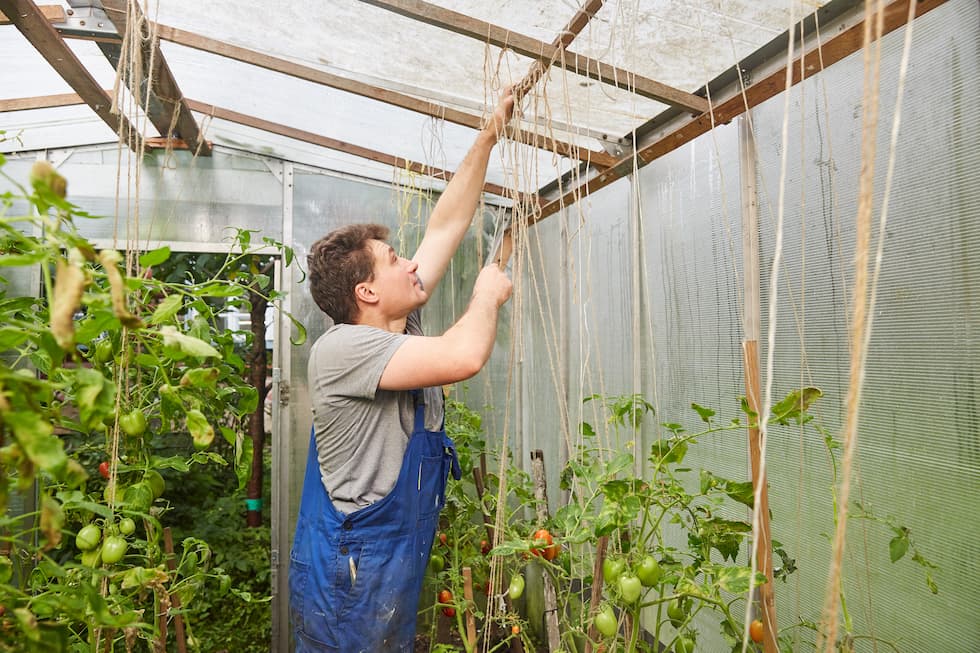
The month of July generally marks the start of the dry season in much of Central America, a period of intermittent drought that coincides with an increase in pests affecting key crops. For producers and agribusinesses, this combination of environmental stress and insect pressure can jeopardize crop yield and quality.
In practical terms, anti virus mesh made from 100% polypropylene has become a technical and practical solution for reducing the entry of insect vectors, protecting crops, and maintaining a more stable environment during this critical period.
What Is the Dry Spell and Why Does This Weather Event Favor Pests?
The dry spell is a weather event characterized by a temporary decrease in rainfall during the rainy season, especially between July and August. In Guatemala and other countries in the region, this lull in rainfall leads to higher temperatures, lower relative humidity, and stress in plants.
This environment favors the proliferation of insects such as whiteflies, aphids, thrips, and leafhoppers, many of which are vectors of viral diseases. With plants under water stress, their vulnerability to these organisms increases, and the risk of damage becomes higher.
The Role of Anti viral Mesh in Crop Protection
Polypropylene anti viral mesh is a physical barrier designed to limit the entry of insects into the crop area. Its fine mesh structure allows air and light to pass through but blocks or significantly reduces the entry of disease-transmitting insect vectors.
Its use in greenhouses, tunnels, shade nets, and protective structures allows for:
- Reduce pest pressure during the heat wave.
- Reduce the need for chemical applications.
- Improve microclimate stability within the protected area.
- Protect crop health during a critical time of year.
Technical and Operational Benefits
From a technical standpoint, the anti viral mesh offers several advantages:
- Insect exclusion: It limits access by key vectors without affecting ventilation.
- Reduced stress on plants: By reducing pest pressure, plants can devote more energy to growth and production.
- Improved integrated pest management: It facilitates the implementation of IPM strategies by reducing the initial insect population.
- Durability and resistance: High-quality polypropylene or polyethylene materials ensure a long service life even under intense radiation.
Applications in Guatemalan and Regional Agribusiness
In Guatemala, the anti viral mesh netting manufactured by Polyproductos de Guatemala is used in vegetable, ornamental, and fruit crops, as well as in nurseries, especially in areas with high insect pressure during the summer heat wave. Countries such as El Salvador, Honduras, and Nicaragua also report similar benefits in protected-culture systems.
Its adoption is particularly relevant in:
- Production of tomatoes, chili peppers, cucumbers, and other virus-sensitive vegetables
- Nurseries and seedling establishment areas
- High-value ornamental crops
- Areas with a history of vector-borne damage during the hot season
Why Climate Change Matters in July
July is a critical month because it marks the peak of the heat wave in many regions. At this time, the combination of heat, lower humidity, and an increase in pests calls for preventive measures. The pest-control anti virus mesh allows growers to address the problem proactively and reduce crop exposure during the most vulnerable period.
For companies and growers, investing in protection during this period is not just a technical measure; it’s a strategic decision to ensure yield, quality, and operational continuity.
Maximum Protection for Your Crop with Insect-Proof Netting
Anti viral mesh netting is a key tool for tackling the heat wave and the peak pest activity in July. Its ability to keep insects out, protect crop health, and improve system stability makes it a technical and cost-effective solution for the regional agribusiness sector.