


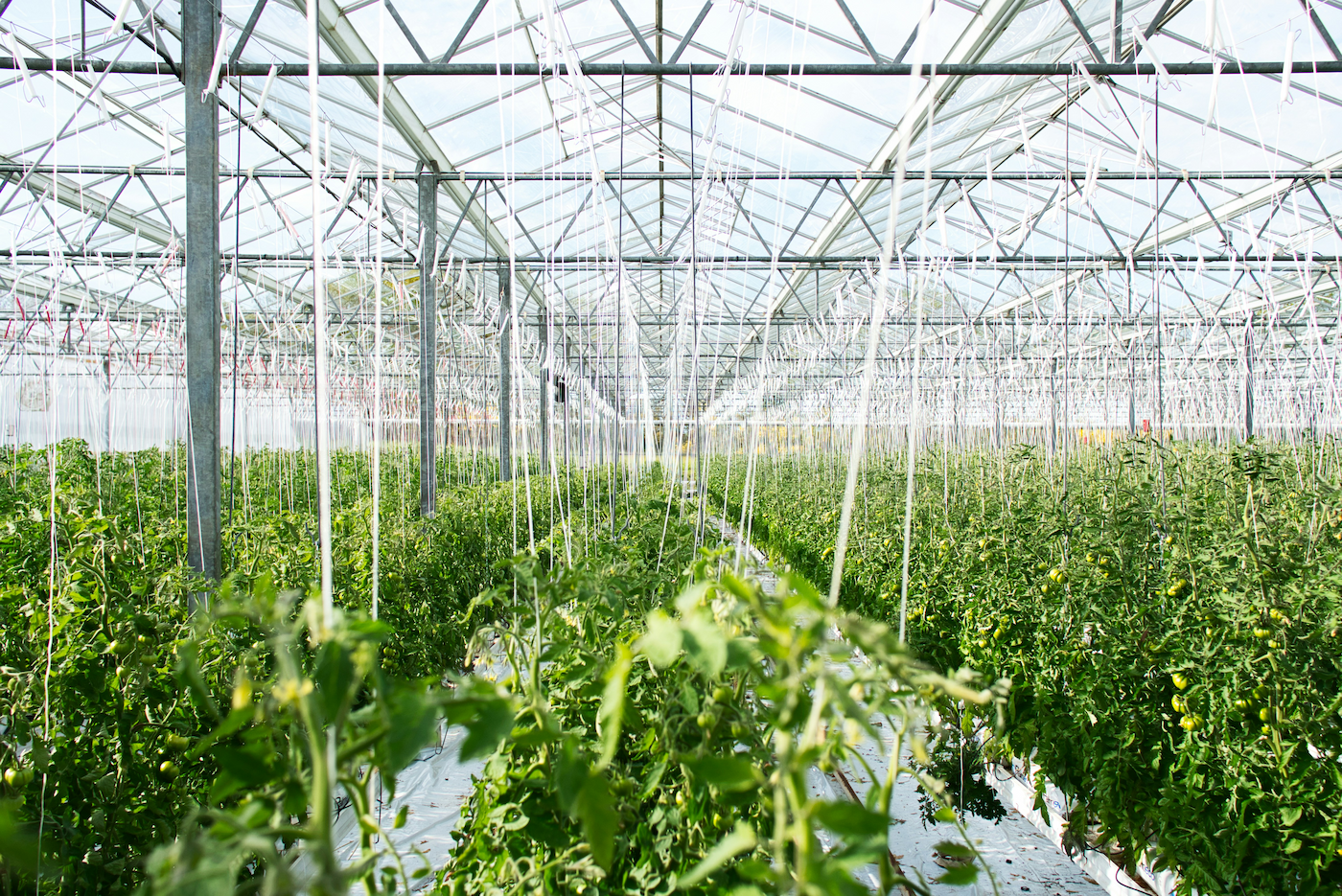
Climatic conditions can pose one of the greatest challenges for agricultural producers. Both heavy rainfall and low temperatures can directly impact crop development and productivity. To address these challenges, saran shade covers have become a key tool for protecting crops and ensuring better results throughout the agricultural cycle.
What Are Saran Shade Covers?
Saran shade covers are a fabric made from high-density polypropylene, a strong, flexible, and durable material that provides excellent protection against environmental factors. Their design allows control over the amount of sunlight, humidity, and temperature reaching the plants, creating a more stable and favorable microclimate for growth.
This type of agricultural fabric is particularly effective at reducing the impact of direct sunlight, shielding plants from excessive rainfall, and acting as a barrier against wind and dust. Additionally, thanks to its wear and UV resistance, shade covers can be used over multiple seasons without losing its protective properties.
Benefits of Using Saran Shade Covers in Your Agricultural Projects
The main advantage of saran shade covers lies in their versatility. They can be used in both greenhouses and open-field crops, adapting to different types of plantations and climatic conditions.
- During the rainy season: shade covers help reduce the impact of water on plants, preventing physical damage and soil erosion.
- During cold months: shade covers help maintain a more consistent temperature and protect leaves from light frost.
Another significant benefit is improved water-use efficiency. By reducing evaporation, shade covers help retain soil moisture for longer periods. Their structure also limits the entry of insects or birds, keeping crops healthier without the need for invasive methods.
How Saran Shade Covers Protects Crops During Rainy and Cold Seasons
- Rainy season: Excess water can cause waterlogging, root rot, and fungal proliferation. Saran shade covers filter the intensity of rainfall, preventing direct impact on plants and helping maintain soil stability. At the same time, they allow adequate air circulation, reducing excessive humidity and improving crop health.
- Cold season: Saran mesh helps retain ambient heat and buffer sudden temperature changes. This is particularly useful for crops sensitive to low temperatures, such as vegetables or ornamental flowers, which can experience thermal stress.
Choose the Right Shade Cover Based on Shading Percentage
Shade covers are available in different shading percentages, which determine the amount of light that passes through and the type of protection offered according to the crop:
- Low shade (30%–50%): recommended for crops requiring high sun exposure, such as corn or coffee.
- Medium shade (60%–70%): ideal for vegetables or flowers that need moderate protection.
- High shade (80% or more): primarily used in nurseries or ornamental plants requiring intense shade and thermal control.
Selecting the appropriate shading percentage depends on the specific needs of each crop and the climatic conditions of the area. A correct choice also helps manage plant thermal stress and maintain a more stable microclimate within the cultivation area.
During this Cold Season, Choose Polyproductos’ Saran Shade Covers to Protect Your Crops
At Polyproductos de Guatemala, we manufacture high-density polypropylene shade covers with UV protection, designed to withstand demanding climatic conditions and provide long-lasting durability. Our fabrics are engineered to optimize agricultural performance and safeguard crops in every season.
With Polyproductos’ shade cover, producers can ensure reliable, long-term protection, resulting in healthier, more sustainable harvests year after year.