


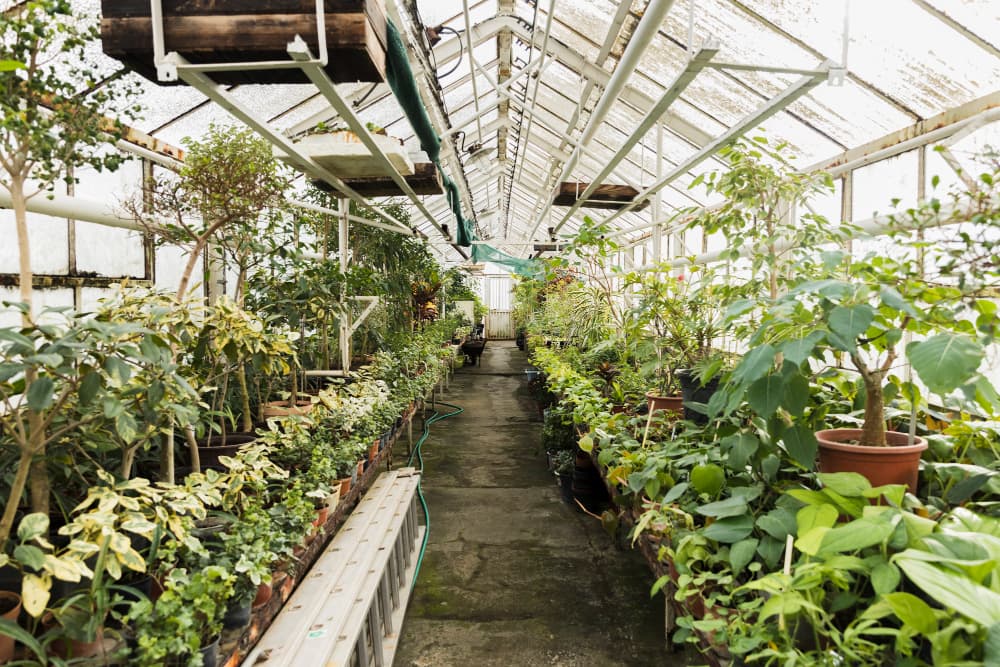
Installing ground cover, also known as weed control fabric or soil cover, has become one of the most effective and accessible practices for maintaining clean, organized, and weed-free production spaces. Its primary function is to act as a phytosanitary barrier that optimizes crop management and prevents unwanted competition for nutrients, water, and light. Although it is a lightweight material and simple to install, its performance depends heavily on executing each step of the process correctly. When properly installed, ground cover ensures long-lasting control, reduces operational costs, and improves sanitary conditions throughout the growing environment.
In this, we explore why ground cover is so relevant for nurseries, greenhouses, and landscaping areas, and we present a clear, structured guide for proper installation.
Why Installing a Ground Cover Is Essential for Crop Phytosanitary Control
Ground cover plays a critical role by physically blocking the growth of weeds that can become reservoirs for pests, diseases, or fungi. This simple barrier helps maintain a controlled environment, reduces the need for herbicides, and prevents invasive plants from competing with the main crops. Additionally, by preventing sunlight from reaching the soil, the fabric limits seed germination and keeps the surface dry, an advantage that helps avoid unwanted outbreaks.
In crops such as strawberries, ground cover offers an additional benefit. By keeping the fruit separated from moist soil, it prevents deterioration and ensures the berries never rot, improving quality and reducing losses.
Preparing the Soil Is the Most Important Step in Ground Cover Installation
The effectiveness of the installation begins with thorough soil preparation. This is the critical step that determines whether the fabric will function properly. The area must be cleared beforehand to remove weeds, residues, debris, or unwanted plants. A clean, obstacle-free surface allows the ground cover to be laid out fully, preventing empty spaces where weeds might reappear.
It is also recommended to level the soil to ensure an even installation. When the ground is too dry, lightly watering it can help remove larger or more resistant weeds. These initial details are what ensure the stability and long-term performance of the ground cover.
Measuring and Cutting the Ground Cover Ensures Continuous Coverage
Once the surface is ready, the next step is to measure, unroll, and cut the fabric according to the area that needs to be covered. The ground cover must completely cover the target zone without leaving exposed edges.
When multiple sections of fabric are required, it is essential to maintain a minimum overlap of 5 cm between pieces. This small margin prevents weeds from growing through the seams and ensures a continuous barrier. The overlap is a non-negotiable requirement for avoiding plant growth along the union lines.
Keep the Ground Cover Tight to Ensure Stability
Proper fastening is another essential component to guarantee the durability of the ground cover. The fabric must remain tight, without wrinkles or shifting, as any movement can compromise its performance.
To secure it to the ground, users can apply stakes or fastening pins, which provide the firmest and most durable solution. It is recommended to place them every 50 cm, especially in areas exposed to wind. Finally, lightly covering the edges with soil or another material helps reinforce stability and prevents the fabric from lifting.
How to Adapt Ground Cover to Your Crops
Once the cover is installed, openings can be made to plant new crops or preserve existing plants. These cuts should be adjusted to the specific needs of each crop.
The most practical method is to make an “X”-shaped cut. This technique makes it easier to open the hole, work the soil underneath, and reposition the fabric around the stem or bulb. In the case of woven fabrics, slight fraying may occur, a normal characteristic of the material.
For Added Protection, Apply a Surface Cover
Although ground cover functions perfectly without additional layers, adding a surface cover improves aesthetics and provides an extra layer of protection. Recommended options include gravel, pine bark, or decorative stones. When using granular materials, a thickness of approximately 5 cm is ideal.
Common Mistakes to Avoid
The most frequent mistake when installing ground cover is leaving areas uncovered. This drastically reduces the effectiveness of the barrier and allows weeds to reappear. The fabric must cover the entire area without exceptions.
Polyproductos Ground Cover Is the Essential Tool for Your Agricultural Projects
Proper installation of ground cover is one of the most effective practices for maintaining phytosanitary control in nurseries, greenhouses, and agricultural projects. Its ability to block weed growth, improve environmental cleanliness, and reduce the need for herbicides makes it an indispensable resource for protecting crops, optimizing soil management, and ensuring healthy and efficient production conditions. When installed correctly, it not only improves crop performance but also represents a strategic investment in the long-term health and stability of any agricultural operation.
Polyproductos offers high-quality polypropylene ground cover designed for durability, strength, and superior performance in weed control. Its quality and ease of installation make it a reliable solution for farmers, nursery professionals, and greenhouse operators seeking a more efficient and professional approach to soil management.