


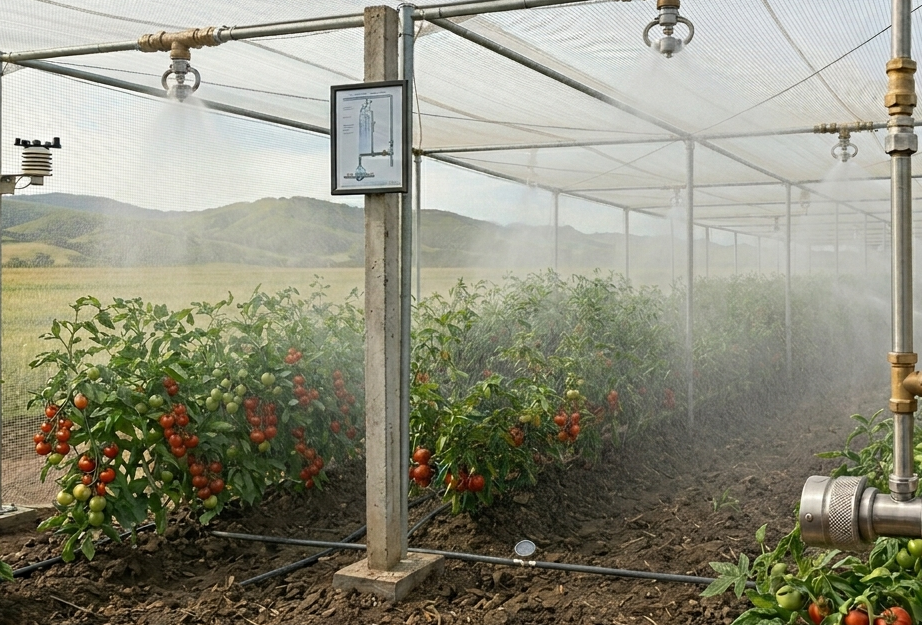
Water is one of the most important resources for any crop, but it is also one of the most difficult to manage when rainfall is irregular or temperatures rise. That is why more and more growers are looking for ways to reduce water consumption without affecting their plants’ growth.
The good news is that conserve water doesn’t always require major changes or investments. In addition to having an efficient irrigation system, there are practices and solutions that can help you conserve soil moisture, protect your crops from the heat, and make better use of every liter of water.
Below, we share six measures you can implement to improve the water efficiency of your production and maintain good crop yields.
How does efficient water use affect the profitability of your crop?
Efficient water management can help you reduce costs and maintain your crop’s productivity. Every liter wasted represents an unnecessary expense, whether due to extraction, storage, or distribution of the resource.
Saving water and using it more efficiently reduces the risk of problems during dry seasons or periods of lower availability. This will allow you to maintain a more stable operation that is better prepared for changes in weather conditions.
Responsible water use also helps conserve the sources that supply agricultural activity, ensuring the long-term availability of the resource. Therefore, identifying and correcting areas where losses occur can be one of the most effective ways to improve the efficiency and profitability of agricultural production.
What are the best ways to conserve water in crop production?
Here are six practices that can help you make better use of the available water without affecting your plants’ growth. Some require adjustments to the irrigation system, while others involve protecting the soil and crops to reduce moisture loss.
1. Use a more efficient irrigation system
An efficient irrigation system delivers water directly where the plant needs it, preventing waste from evaporation or runoff.
Drip irrigation is one of the most widely used options because it distributes water in a precise and controlled manner. It also allows fertilizers to be applied along with the irrigation, optimizing resources and reducing costs.
2. Protect the Soil with Ground Cover
Ground cover helps conserve soil moisture by reducing exposure to the sun and wind. This decreases evaporation and helps maintain better conditions for the roots.
In addition to conserving water, it helps control weeds, maintain a more stable soil temperature, and reduce the frequency of watering.
Among its main benefits are:
- Better moisture retention between waterings.
- Less weed growth.
- Reduced need for irrigation.
- Better protection of soil structure.
3. Use shade cloth to reduce heat stress
High temperatures tend to increase plants’ water demand. Proper shade cover helps reduce heat stress and minimizes water loss through the leaves.
This helps maintain healthier crops and, in many cases, allows for less frequent watering without affecting yield.
4. Water at the right time
The timing of watering directly influences how much water the crop absorbs.
Early morning and late afternoon are usually the best times to water, as evaporation losses are lower.
To further improve efficiency:
- Avoid watering during the hottest part of the day.
- Schedule watering at consistent times.
- Use moisture sensors whenever possible.
- Automate the system to apply only the necessary amount of water.
5. Make use of rainwater
Collecting and storing rainwater can help you reduce your reliance on other water sources, especially during the dry season.
Tanks, cisterns, or storage systems allow you to save water when it is available for later use in your crops.
6. Reuse water safely
In some cases, it is possible to recover and reuse water from certain agricultural activities, provided it is properly treated.
Filtration and proper water management help reduce waste and make better use of available resources, contributing to more efficient and sustainable production.
Comparison. Traditional Tater Management vs Water Efficiency
The following table shows the differences between traditional water management and the implementation of practices that can help you conserve this resource without affecting your yield. This will help you see how small changes can yield significant benefits for your crop.
| What Affects Your Crop | Without Water Management | By Implementing These Measures |
|---|---|---|
| Soil Evaporation | The soil loses moisture quickly between waterings. You need to water more frequently. | Ground cover retains moisture and extends the intervals between waterings. |
| Plant heat stress | The plant consumes more water to cool itself. Higher water demand during hot hours. | Shade cloth reduces temperature and decreases evapotranspiration. |
| Irrigation system | Water is applied by sprinkler, resulting in evaporation losses. | Drip irrigation delivers water directly to the roots, resulting in less waste and better absorption. |
| Irrigation schedule | Watering occurs whenever water is available, even during the hottest hours of the day. | Watering during cooler hours reduces evaporation losses without changing the volume applied. |
| Availability During the Dry Season | Total dependence on external sources. Higher cost and risk of shortages. | Rainwater harvesting and storage ensures self-sufficient reserves for the dry months. |
| Wastewater | Washwater and excess water are discarded. Increased extraction from natural sources. | Treated water is returned to the crop. Less pressure on aquifers and lower cost. |
How does soil health affect water conservation?
If you want to get the most out of each watering, it’s also important to pay attention to the condition of your soil. Healthy soil can hold more water and keep it available to your crops for longer.
Although solutions like Ground Cover help reduce evaporation, their effect is even greater when the soil has good structure and sufficient organic matter. This allows water to be better retained and reach the roots more efficiently.
Why does healthy soil retain moisture better?
Organic matter acts as a natural sponge that absorbs water and releases it gradually as your plants need it.
When you maintain healthy soil, you can enjoy benefits such as:
- Better moisture retention between waterings.
- Improved water absorption.
- Less soil compaction.
- Crops that are more resistant to heat and drought.
Does watering more mean producing more?
Not necessarily. Applying more water than your crop needs can cause problems that affect both plant development and crop yield.
When the soil remains saturated for too long, the roots have a harder time getting the oxygen they need. This can weaken your plants and make them more susceptible to diseases that hinder their growth.
Therefore, the goal is not to keep the soil moist all the time, but to apply the right amount of water based on your crop’s needs and soil conditions.
How can you tell if you’re overwatering?
Your crop and soil usually show signs when they receive more water than necessary. Some of the most common signs are:
- Yellow leaves with no apparent cause.
- Presence of mold or rot near the roots.
- Soil remaining damp for several days after watering.
- A constant musty odor in the growing area.
- Slow growth despite favorable weather conditions.
If you notice any of these signs, you may want to reduce the frequency of watering and check the drainage of the soil. You may also want to consider more efficient irrigation systems, such as drip irrigation, to provide only the water your plants need.
Where should you start to ensure water efficiency in your crop?
Improving water efficiency in agricultural production doesn’t mean transforming your entire operation overnight. The most effective approach is usually to first identify where the most water is being wasted and start with that area of opportunity.
If the soil loses moisture quickly between waterings, implementing Geotextile Ground Cover can help you retain it longer. If high temperatures are stressing the plants, a suitable shade cover or mulch can reduce water demand and improve crop conditions. On the other hand, if the main problem lies in how irrigation is applied, switching to a more efficient system can have an immediate impact.
Every crop has different needs, so the best solution will depend on factors such as climate, type of production, and soil conditions. Evaluating these aspects will allow you to make more informed decisions and make better use of every available liter of water.
If you’re looking for solutions to protect your crops, at Polyproductos de Guatemala you’ll find materials designed to improve the efficiency and yield of agricultural production.
Frequently Asked Questions About Water Conservation in Agriculture
Does ground cover work for any type of crop?
Yes. Ground covers are suitable for various types of crops, from vegetables to perennial crops. The key is to choose the right type of cover based on soil conditions and the specific management requirements of each crop.
Does shade netting help save water or does it just protect from the sun?
It does both. By reducing the ambient temperature and direct radiation on the plant, it decreases evapotranspiration, which results in lower water demand by the crop.
What measures can I combine to save water on my crops?
Combining drip irrigation with ground cover and shade cloth, for example, addresses multiple sources of water loss simultaneously, maximizing overall savings and improving the crop’s overall health.
How do I know if my crop is suffering from water stress?
If you notice wilting during the hottest hours of the day, curled leaves, slow growth, or loss of turgor in the stems, the plant is likely receiving less water than it needs or losing water faster than it can absorb it.
Which crops typically consume the most water?
Some crops need more water than others due to their size, growth cycle, or type of production. Among those that typically require larger amounts of water are rice, corn, sugarcane, tomatoes, and watermelons.
However, your crop’s water consumption does not depend solely on the species. Factors such as climate, soil type, and the irrigation system you use also influence the amount of water you’ll need to apply. Therefore, the most important thing is to understand the specific conditions of your production to manage this resource efficiently.