


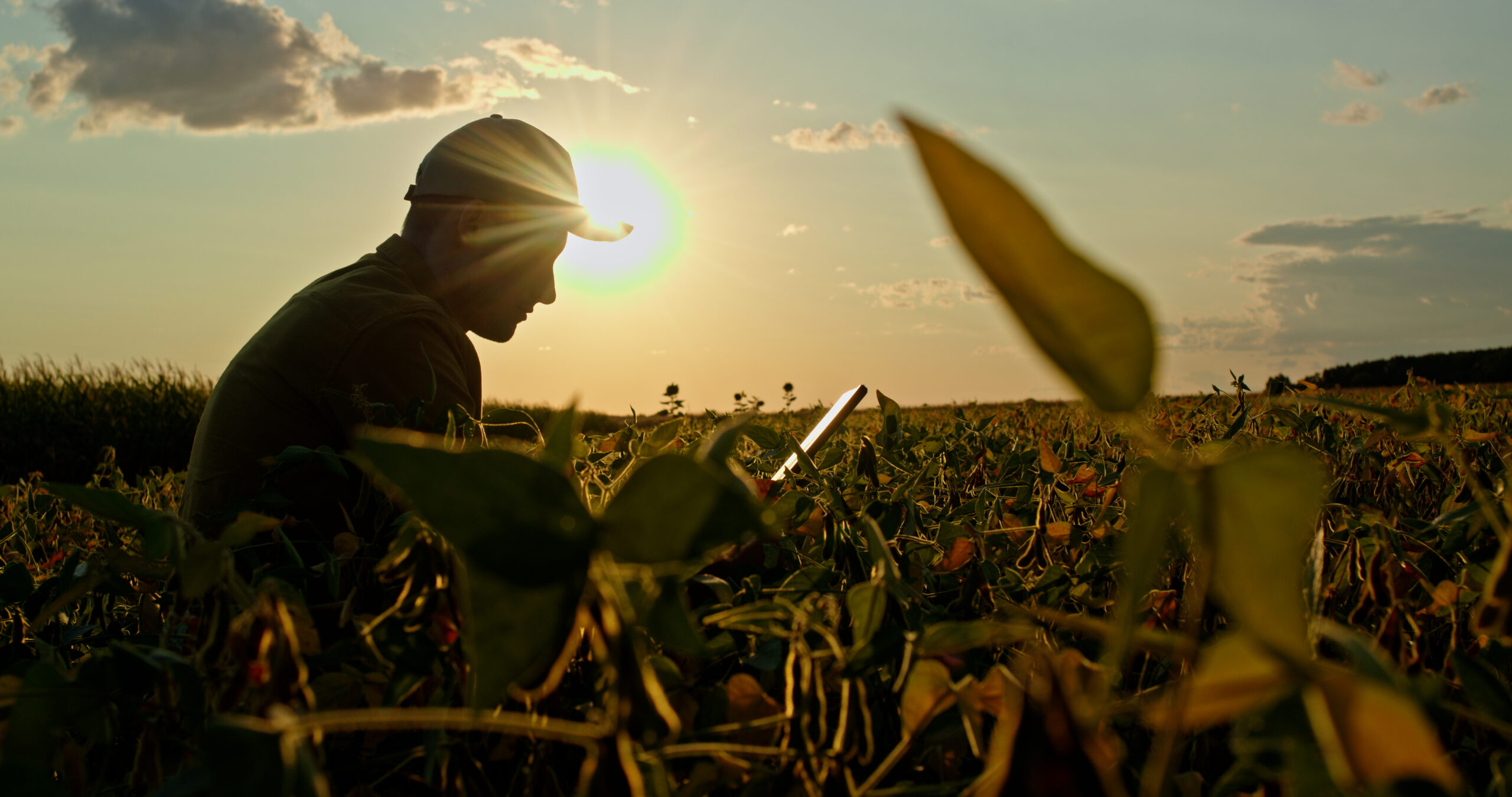
The climate in Central America for half the year is marked by the canícula, a period of intermittent drought that significantly affects regional agricultural production. Understanding why this phenomenon has such a significant impact allows the agribusiness sector to make better decisions and reduce vulnerabilities.
What Is the Canícula Drought?
The canícula drought is a temporary reduction in rainfall during the rainy season, especially in July and August. Although rainfall does not disappear entirely, its frequency and intensity decrease, leading to lower humidity and greater stress on crops.
This phenomenon is part of the regional climate pattern and recurs every year with variations in intensity and duration.
Why It Has Such a Significant Impact on Regional Agriculture
The canícula has a significant impact for several reasons:
- Dependence on rain: Much of the region’s agriculture still depends on direct rainfall.
- Vulnerable soils: Many soils have low water-holding capacity.
- High temperatures: Heat increases evapotranspiration and water stress.
- Critical production cycles: The heat wave coincides with sensitive stages in the development of key crops.
In countries such as Guatemala, El Salvador, Honduras, Nicaragua, and Costa Rica, this phenomenon affects staple grains, vegetables, fruit trees, and export crops.
Impact on Production
Typical consequences include:
- Reduced yields for corn, beans, and other grains
- Decline in the quality of vegetables and fruit
- Increased pest and disease pressure
- Higher costs due to the need for irrigation or additional protection
For the agribusiness sector, this translates into lower output, greater variability, and economic risk.
Regional Adaptation Strategies
The region has developed several strategies to cope with the heat wave:
- Irrigation systems: wells, pumps, and modern technology to reduce dependence on rainfall.
- Crop protection: shade nets, pest control, and greenhouses.
- Conservation practices: mulch, terraces, and soil management to retain moisture.
- Diversification: adjusting crops and planting dates to reduce risk exposure.
These measures, combined with timely climate information, help reduce the impact and improve resilience.
The Role of Agribusiness
Agribusiness plays a key role in regional adaptation. Its investment capacity, access to technology, and supply chain management enable it to implement solutions more quickly and effectively. Furthermore, its leadership can drive the adoption of best practices among small and medium-sized producers.
Why It Is a Strategic Issue
The heatwave is not an isolated event; it is a recurring climate pattern that determines half a year’s yield in the region. For companies, producers, and decision-makers, understanding its impact and preparing responses is a competitive advantage.
Investing in protection, irrigation, and planning is not an expense; it is a measure to ensure production, quality, and continuity during a critical period.
The heatwave-induced drought is a determining factor in the climate for half the year. Its impact on regional agriculture is significant but manageable with the right strategies. For the agribusiness sector, the key lies in preparedness, technology, and advance planning to reduce vulnerabilities and ensure results during the most challenging period of the year.