


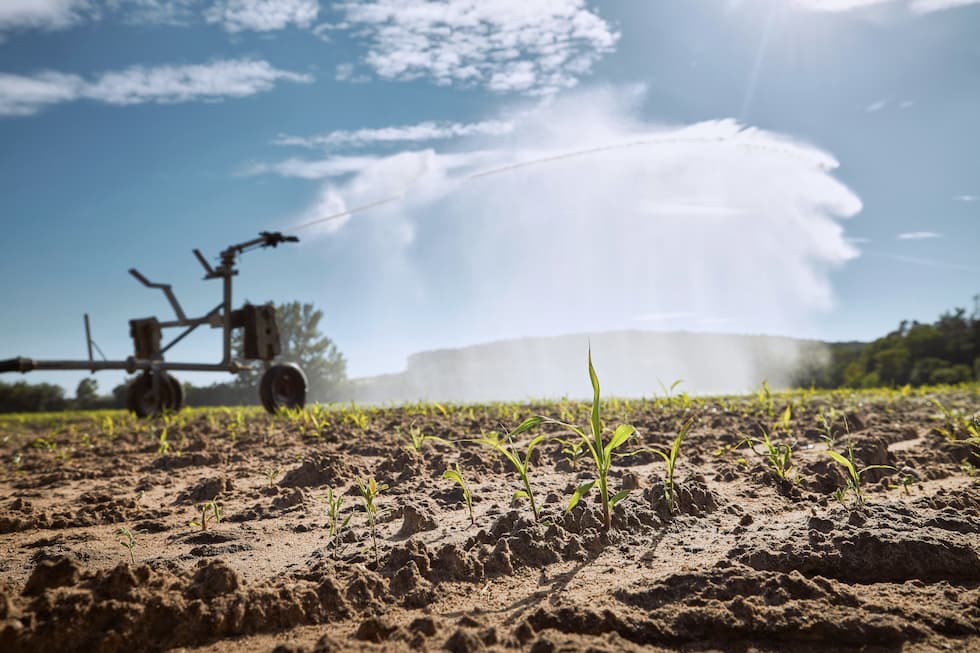
The dry spell is a climatic phenomenon that directly impacts agricultural production in Guatemala. Understanding its characteristics, the times when it occurs, and preparation strategies enables the agribusiness sector to reduce risks and make more informed decisions.
What Is the Heat Wave?
The heat wave is a period of intermittent drought that occurs during the rainy season, generally between July and August. It is characterized by a temporary decrease in rainfall, rising temperatures, and increased solar radiation.
In Guatemala, this phenomenon is part of the regional climate pattern and affects different areas differently depending on location, elevation, and crop type.
When It Affects the Agribusiness Sector
The canícula typically occurs between the second week of July and the first week of August, although its intensity and duration vary from year to year. Its impact is most severe in:
- Areas of the dry corridor (eastern and part of the northern regions)
- Regions producing staple grains (corn, beans)
- Areas with vegetables, fruit trees, and crops sensitive to water stress
- Systems without irrigation or that rely directly on rainfall
For the agribusiness sector, this period poses an operational challenge: reduced water availability, increased pest pressure, and the risk of yield losses.
How to Prepare: Key Strategies
Preparation is the most important factor in reducing the impact of the heat wave. Some effective actions include:
- Irrigation planning: ensuring water availability and optimizing its use.
- Protective measures: shade nets, pest-control nets, and covers to reduce stress.
- Soil management: conservation practices, mulching, and moisture retention.
- Adjusting planting dates: adapting the crop cycle to avoid critical peaks.
- Climate monitoring: tracking forecasts and alerts to make proactive decisions.
The Role of Technology and Infrastructure
Investments in irrigation infrastructure, crop protection, and monitoring systems enable farmers to weather the heatwave with reduced vulnerability. Shade nets, virus-protection nets, and efficient irrigation systems are examples of technical solutions that have a significant impact on reducing losses.
Why It Matters for Guatemala’s Agribusiness Sector
Guatemala relies heavily on its agricultural production for food security, exports, and rural employment. If not properly managed, the heatwave can affect production volumes, product quality, and income stability.
Preparation is not optional; it is a strategic necessity for maintaining competitiveness and sustainability in the sector.
The dry season is predictable in terms of timing, though variable in intensity. For Guatemala’s agribusiness sector, the key lies in preparation: planning, infrastructure, and the use of protective technologies help reduce the impact and ensure operational continuity during the most critical period of the year.